

Global nicotine pouch industry has grown significantly in recent years as consumers increasingly prefer smoke-free and tobacco-free alternatives. Markets such as the United States, Sweden, Germany, United Kingdom, India and Poland are experiencing strong demand for nicotine pouches, leading manufacturers to scale up their production capacities. As production increases, the need for efficient nicotine pouch packing machines becomes more critical to maintain consistent quality and high output.
However, during large-scale production, manufacturers often face several common nicotine pouch packing problems that can affect product quality, machine performance and overall production efficiency. Issues such as inconsistent pouch filling, poor sealing, pouch material damage or machine downtime can lead to product waste and reduced productivity.
Understanding these challenges and learning how to solve them is essential for maintaining smooth manufacturing operations. In this guide, we explain the most common nicotine pouch packing problems and practical solutions that manufacturers can implement to improve efficiency and packing quality.
Inconsistent Filling Weight in Nicotine Pouches
One of the most common problems in nicotine pouch packing is inconsistent filling weight. Each pouch must contain a precise amount of nicotine mixture to ensure product quality, proper dosage and regulatory compliance. If the filling system does not maintain consistent measurements, some pouches may contain more or less product than required.
Several factors can contribute to inconsistent filling weight. Improper calibration of the filling system, variations in the powder mixture density or fluctuations in machine speed can all affect dosing accuracy. In some cases, poorly mixed raw materials can also lead to uneven distribution of ingredients.
To fix this issue, manufacturers should regularly calibrate the dosing system and ensure that the nicotine mixture is properly blended before entering the filling machine. Using high-precision filling technology and automated dosing systems can significantly improve weight accuracy. Regular machine maintenance and quality checks also help maintain consistent filling performance during high-speed production.
Poor Pouch Sealing Quality
Another frequent challenge in nicotine pouch packing is improper pouch sealing. If the pouch is not sealed correctly, the product may leak during transportation or storage. Poor sealing can also allow moisture or air to enter the pouch, which can affect product freshness and shelf life.
Sealing problems may occur due to incorrect temperature settings, improper sealing pressure or low-quality pouch material. In some cases, product particles trapped between the sealing layers can also prevent proper sealing.
Manufacturers can resolve this issue by adjusting the sealing temperature and pressure according to the pouch material specifications. Ensuring that the pouch edges are clean before sealing can also improve seal integrity. Using high-quality non-woven pouch material and advanced sealing technology helps ensure strong, reliable pouch closures.
Pouch Material Tearing or Damage
Pouch tearing is another problem that may occur during nicotine pouch production. If the pouch material is not handled correctly during the forming or filling process, it may tear or lose its shape. Damaged pouches cannot hold the nicotine mixture properly and must be rejected, leading to material waste and production loss.
This issue can occur when the machine speed is too high, the pouch material quality is poor or the forming mechanism is not properly aligned. Excessive tension on the pouch material can also cause tearing during high-speed operation.
To prevent pouch damage, manufacturers should ensure that the machine settings are optimized for the specific pouch material being used. Regular inspection of forming components and proper alignment of the pouch feeding system can help maintain stable pouch formation. Selecting durable, high-quality pouch materials also reduces the risk of tearing during production.
Machine Downtime and Production Interruptions
Unexpected machine downtime can significantly affect production output and overall manufacturing efficiency. Downtime may occur due to mechanical issues, poor maintenance practices or improper machine operation.
Common causes of downtime include worn-out machine components, clogged filling systems and inconsistent power supply. If the machine is not maintained regularly, small mechanical issues can gradually develop into major problems that stop production entirely.
The best way to minimize downtime is to implement a preventive maintenance program. Routine inspection of machine parts, timely replacement of worn components and regular cleaning of filling systems help keep the machine running smoothly. Proper training for machine operators also ensures that the equipment is used correctly and efficiently.
Irregular Pouch Shape and Appearance
In addition to functional issues, packing appearance is also important for nicotine pouch manufacturers. If pouches have irregular shapes, uneven filling or inconsistent sizes, it can negatively affect the products retail presentation.
Irregular pouch shape may occur due to incorrect pouch forming settings, inconsistent filling volume or unstable machine operation. Poor material feeding can also lead to uneven pouch formation.
Manufacturers can improve pouch appearance by ensuring that the forming system is properly adjusted and that the filling system delivers consistent product volume. Monitoring machine performance and maintaining stable operating conditions helps produce uniform and visually appealing pouches.
Importance of High-Quality Nicotine Pouch Packing Machines
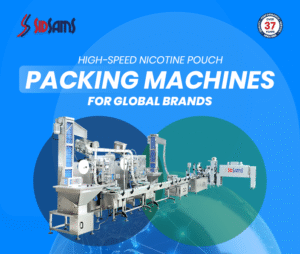
Many packing problems can be avoided by using advanced and reliable machinery. Modern nicotine pouch packing machines are designed with precision automation systems that maintain consistent filling accuracy, reliable sealing and stable high-speed operation.
High-quality machines also include advanced control systems that allow operators to monitor machine performance and quickly adjust parameters when necessary. These technologies help prevent production issues and improve overall manufacturing efficiency.
We specializes in manufacturing advanced nicotine pouch packing machines designed for modern production environments. Their machines are engineered with precision filling technology, durable industrial components and automated control systems that help manufacturers achieve consistent packing quality and high production output.
Improving Production Efficiency in Nicotine Pouch Packing
Manufacturers who address common packing problems proactively can significantly improve production efficiency and product quality. By implementing proper maintenance practices, optimizing machine settings and using high-quality packing materials, companies can reduce production errors and minimize product waste.
Automation also plays a critical role in improving nicotine pouch packing operations. Automated packing machines reduce manual intervention, maintain consistent production speed and ensure accurate product dosing. These advantages help manufacturers meet increasing market demand while maintaining high-quality standards.
Conclusion
Nicotine pouch packing is a highly specialized process that requires precision, consistency and reliable machinery. Common issues such as inconsistent filling weight, poor sealing, pouch material damage, machine downtime and irregular pouch shape can affect production efficiency and product quality if not addressed properly.
By understanding these common problems and implementing effective solutions, manufacturers can improve packing performance and maintain stable production operations. Investing in high-quality machinery and working with experienced equipment manufacturers can further enhance reliability and long-term efficiency.
With the global nicotine pouch market continuing to grow, manufacturers who adopt advanced packing technologies and maintain strong quality control systems will be well positioned to succeed in this competitive industry.